
Are Gemstones a Good Investment? What Buyers Need to Know in 2025
Gemstones can hold or grow in value — but only if you buy right. Learn which stones have strong investment track records and what the risks actually are.
The Honest Answer
Yes — gemstones can be a sound investment. But "gemstones" is too broad a category to give a single answer. A $6,000 certified aquamarine and a $6,000 piece of heat-treated synthetic amethyst are both technically "gemstones." One has investment potential; the other does not.
This guide covers what drives gemstone values, which stones have strong track records, and what questions to ask before buying with investment intent.
What Makes a Gemstone Hold Value?
Investment-grade gemstones share a set of common characteristics:
1. Rarity of the species Diamonds are abundant relative to stones like alexandrite, tanzanite, or paraíba tourmaline. Rarity at the species level sets a floor on long-term value.
2. Rarity within the species A 10-carat Burmese ruby commands a premium over a 1-carat Thai ruby not just because of size, but because Burmese origin confers provenance. Within any species, colour, clarity, and size create sub-tiers of rarity.
3. Certification An uncertified stone is worth roughly 20–40% less than the same stone with a certificate from GIA, AGL, or Gübelin. Certification locks in the stone's identity and treatment history — essential for resale.
4. No undisclosed treatment Heat treatment, fracture filling, and beryllium diffusion all reduce long-term value. A stone that has been treated to appear better than it is will be re-evaluated at resale, and the treatment will be discovered. Buy untreated, or understand exactly what treatment occurred.
5. Liquidity Can you resell it? Diamonds have the deepest resale market; coloured stones are thinner. Aquamarine, amethyst, and apatite have active collector markets but are illiquid compared to gold or equities. Factor in a 12–24 month horizon to find the right buyer.
Which Gemstones Have the Strongest Investment History?
Aquamarine (Investment Grade: Strong)
Fine aquamarine — especially Santa Maria colour from Brazil and Madagascar — has appreciated steadily over the past 20 years. The key driver is supply: most accessible deposits have been mined, and gem-quality material over 5 carats with VVS clarity is increasingly rare.
Investment sweet spot: 5–15 carat stones, Santa Maria or Espirito Santo colour (intense, slightly electric blue), VVS clarity, no treatment, certified.
Our current aquamarine selection shows price points in the $12,000–$20,000 CAD range for mid-range quality — comparable to mid-tier diamond prices, but with stronger projected scarcity.
Amethyst (Investment Grade: Moderate)
Amethyst is not traditionally considered a top-tier investment stone, largely because supply is abundant. However, "Siberian quality" amethyst (deep violet-purple, excellent saturation, eye-clean, Uruguay or Zambia origin) has shown consistent appreciation at the upper end.
Investment sweet spot: 5+ carats, deep colour (comparable to Siberian standard), Uruguay or Zambia origin, eye-clean, uncertified is acceptable below $3,000 CAD but certification adds significant resale value above that.
Apatite (Investment Grade: Speculative / High Upside)
Neon blue apatite from Madagascar is one of the most undervalued gemstones in the coloured stone market. Its electric colour rivals paraíba tourmaline at a fraction of the price — but paraíba has name recognition, and apatite does not yet.
If collector interest in neon blues continues to grow (as it has for the past decade), fine apatite has significant upside. The risk: apatite is relatively soft (Mohs 5) and more suitable for pendants and earrings than rings, which limits its audience.
Investment sweet spot: 5+ carats, electric neon blue, Madagascar origin, eye-clean, certified.
Healing Crystals (Investment Grade: None)
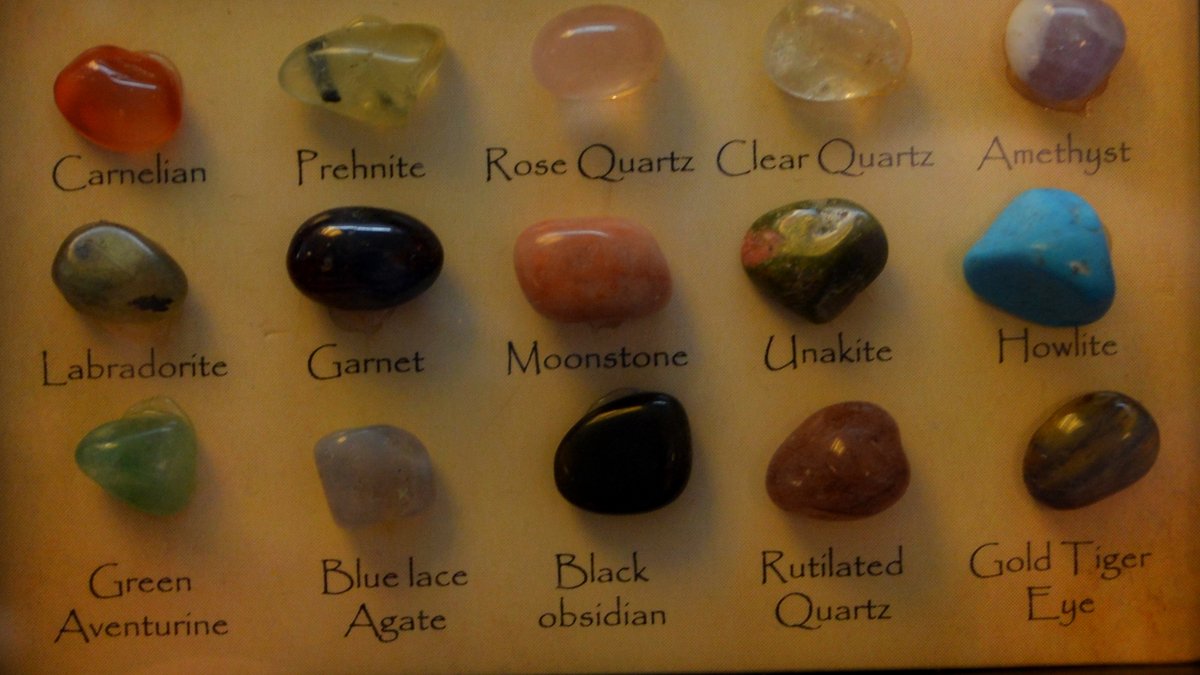
Crystal healing sets, tumbled stones, and raw specimens are not investments in any financial sense. Their value is experiential and spiritual — and that's completely legitimate. But if someone is selling you a $200 tumbled amethyst as an investment, walk away.
The Buy-Right Framework
If you're buying a gemstone with any investment intent, follow this checklist:
- Certified by GIA, AGL, Gübelin, or SSEF
- Treatment fully disclosed (untreated is best; heated is acceptable if disclosed)
- Origin stated (not just "natural")
- Eye-clean or better
- Reputable seller with a return policy
- Price benchmarked against recent auction results (Christie's, Bonhams, Heritage Auctions)
- Budget for long resale timeline (12–36 months to find the right buyer)
What iLoadStar Offers
All of our certified loose gemstones come with documentation from accredited laboratories. We price transparently — compare our aquamarine and amethyst prices against recent Christie's and Sotheby's auction results and you'll find we're competitive for the quality level.
We're not an auction house, and we're not financial advisors. But we are gemstone people, and we source stones we'd buy ourselves. Browse our certified gemstone collection or contact us if you have questions about a specific stone or are looking for something not currently in stock.